
Augustus Fine Jewelers
All-in return including agency fees over their first six months. In that time they did as much business as the previous twelve months combined, and their reviews went from under 30 to more than 200.
I spent years running a marketing agency for jewelers. Then I became the jewelry-business owner paying the bill. What I learned changed the way I think independent jewelers should do marketing.
Half an hour on the phone with a jewelry marketing specialist.
We’ve worked with some great jewelers
Almost all of the hard work happens in the first month or two, during setup. After that it’s maintenance mode — and maintenance is where an agency makes its money. That’s the real reason you get asked to sign a twelve-month contract: the first few months don’t pay for themselves.
There’s nothing wrong with that. It’s a business model, and I ran it for years. But once the setup is complete, there isn’t much left to do — which means once it’s complete, you don’t really need an agency any more. Here’s why.
Getting all of this built correctly is the hard part.
Think of it like a plane. Most of the fuel is burned getting off the ground. At cruising altitude it costs a fraction of what the climb did — and this system runs on so little that it pays for its own fuel. That’s where the word regenerative comes from. So once the plane is up, why keep paying takeoff prices every single month?
Input — where the money actually goes
Both of these stores pay $7,500 a month — the middle of what we found jewelers actually paying, over years working inside this industry as an agency.
Difference after 12 months: $66,000 of “advertising” that never actually went towards advertising.
Same money left both stores. The agency-dependent ones got as far as $24,000 of actual advertising would carry them — every customer they got had to be bought out of that, and that was the ceiling.
The store that owns its system put close to 100% of the budget into ads instead, and bought 3.8× the advertising. At the cost per inquiry we see in these campaigns — under $15 — that gap is thousands of conversations the other stores never got to have.
So what would 3.75× the advertising do for your store?
Output — what that money produces
Four times the ad budget is four times the customers. But those customers leave reviews, send friends and come back — so every year starts higher than the last one did.
They leave reviews, so the next stranger who searches finds you instead of the store down the road.
They send their sister, their best friend, the guy at work who just got engaged.
They come back themselves — anniversaries, upgrades, the second child’s birthstone.
So next year doesn’t start from zero. It starts from everything the year before built.
I used to charge jewelry stores thousands a month, every month, forever. That’s what we did. Then I built the same thing inside my own store and saw it from the other side: once the hard part was built, keeping it running cost me almost nothing. You shouldn’t be spending $60,000, $70,000, $90,000 a year on something that’s already built. That money should go back into the system it paid for.
Most jewelry marketing agencies charge somewhere between $3,500 and $7,500 a month for management alone — before a single dollar of ad spend. Take the middle of that range, add a modest ad budget, and here’s what actually goes out and finds somebody a ring:
$7,500a month
Paying an agency
Roughly a quarter of it reaches a customer.
$7,500a month
Once you own it
The same budget, with the middleman taken out.
The management fee is worth it while there’s something to build. It’s the thirteenth month that’s the problem — and you don’t have to spend the whole difference on ads, either. You could just keep it.
A good doctor’s goal is that you stop needing the doctor. A marketing partner should work the same way.
At $5,000 a month that is $60,000 a year. At $7,000 it’s $84,000. At $10,000 it’s $120,000. Spending money on marketing isn’t the problem — having to spend it every month forever might be. I’m not anti-agency; I ran one. But once the system is built, why keep paying someone thousands every month to keep doing the same thing?
Five stages, same five every time. Here’s one customer going all the way through it.
Your ad runs on Facebook and Instagram whether or not anyone in the store is thinking about marketing. Someone clicks it, fills in the form, and lands in your system with what they’re looking for already attached. Nothing depends on anybody remembering to post.
↑ let’s follow this one
Within minutes, not days — on the cadence the data actually supports, using scripts proven in jewelry stores. Professional, never pushy. Nothing like a telemarketer.
Hi Sarah — saw you were looking at engagement rings. Mind if I ask what you had in mind?
An elongated oval, 14 karat yellow gold. Proposing in June.
We can design exactly that. Thursday at 2, or Saturday morning?
Thursday works.
Confirmed when it’s booked, reminded the morning of, chased again if they don’t show. You turn up to a diary that’s already full.
She’s in front of you, she already knows what she wants, and nobody had to discount anything to get her here. This is the only stage that needs you.
She leaves a review. She tells her friend. She comes back at the anniversary. The customer you paid for starts producing customers you didn’t.
It has run about four years straight without a pause or a drop in effectiveness. No slow season to ride out.
I haven’t had to touch it in about eighteen months and it still brings in new customers every day. Slight tweaks, nothing more.
The same ads bring lab-grown buyers and the multi-six-figure self-purchasers. One system, both ends.
That’s my store, on an ordinary month. What it would look like in yours is the conversation.
This isn’t anti-agency. Keep yours, hire a new one later, use whoever you like — it works alongside any of them, because it isn’t an agency. It’s a system you install in your store and own, for a single one-time fee. No retainer, no contract, nothing ongoing.
I grew up around my mother’s jewelry store, learned marketing, helped her, then helped other jewelers — and eventually built an agency that ran these systems for stores month after month. I could tell an owner exactly what they should be doing.
We were doing good work — we learned an enormous amount running campaigns for a lot of jewelers, and that is exactly how I figured this out. But my own store took off, and I found I’d far rather grow a jewelry business than scale a marketing agency. I get nothing out of building an agency. I get a lot out of showing people what I found.
Robbie Haddad — owner, Kauai Custom Jewelry
I’m spending all this money and I don’t know whether it’s working.
We can’t keep up. I don’t have the time or the staff for that.
We’re getting clicks. Did anybody actually buy?
You don’t need another marketing idea. You need the system underneath it — which is exactly what we built this to install.
Agencies aren’t bad. It’s that no agency wants to cannibalise its own recurring revenue — they’re built for you to keep needing them, not to teach your team how to stop. So nobody hands over the whole strategy and says: it’s yours now, and when I leave, you still own it.
Someone walks in wanting to sell their gold. You buy it at half of spot, because you did the work — the credentials, the refiner account, the relationships — to get ninety-eight. You could keep doing that forever.
Or you could say: pay me once, and I’ll set you up so you get ninety-eight too, and show you how to find the sellers while I’m at it. You’d never need a middleman again.
No jeweler would ever do that. It would cannibalise their gold buying. This is that offer, pointed at marketing instead — and I can make it precisely because my store matters more to me now than my agency does.
You have a dependency problem. Everything that brings you customers lives in someone else’s accounts, and it walks out when they do.
Then they aren’t doing enough to be worth what you’re paying. That’s a marketing problem instead.
Get help building it. Then own it. Stop paying agency prices after the hard work is already done.
The late nights. The midnight oil at the bench. Taking calls after hours because every single customer mattered. You ground it out, and over the years it compounded into a customer list, a reputation, word of mouth — work you did fifteen years ago still walks people through the door.
You have already done this once. You just never got to do it digitally, or never had anyone help you do it properly. Same grind, same payoff — except this time we do the grind part with you, and then let you go so you can cruise on it for years.
Carrying water by the bucket works. It just never stops needing you to carry it. Stop hauling buckets. Build the pipeline.
A normal campaign goes spend, leads, stop, start over. This is built as a loop, so each turn leaves something behind that helps the next one. Every jeweler knows the four Cs of a diamond. A customer has five.
Compounding feeds straight back into Curiosity — which is what regenerative means here. The business gets stronger with each turn rather than resetting to zero. You don’t need to learn these. You need them built.
From someone seeing your ad to sitting across from you.
Running on Facebook and Instagram whether or not anyone in the store is thinking about marketing that day.
Because they want a ring, a custom piece, something for a wedding. It lands in your system with what they’re after already attached.
At the right time, with a proven script, sounding like your store — not like a call centre.
In the store or on a video call. Reminders go to their phone so the appointment holds.
You meet them, you help them, you make the sale. Afterwards it keeps going — the review, the referral, and the next time they need something.
You wake up to fresh appointments sitting on the calendar — booked overnight, without you lifting a finger.
That’s what your team is for, and they’re very good at it. Someone enquires at nine at night and it’s handled long before you’re back in the store.
Every enquiry gets worked, properly, by somebody whose job that is. Nothing sits in an inbox waiting to be noticed.
Once it’s built, the work runs on its own schedule instead of yours. Marketing should eventually become boring — not because it stopped working, but because you stopped having to rebuild it.
It’s the programme where we set up the Regenerative Jewelry Business System inside your store. About thirty days of concentrated work, with us alongside you. We’ll hold your hand as long as you need — but the goal is to let you go.
Afterwards the goal is not for you to become your store’s marketing employee. Hire whoever makes sense to help run it. Get help building it. Own what gets built.
Augustus Fine Jewelers
All-in return including agency fees over their first six months. In that time they did as much business as the previous twelve months combined, and their reviews went from under 30 to more than 200.
Cindi’s Diamond & Jewelry Gallery
Jobs a day across custom, bridal, repair and gold buying — enough that she hired additional staff to keep up. After thirty years in business she had 130 reviews; she now has 521.
Kauai Custom Jewelry
Robbie’s own store, measured over 30 days, everything counted — not ad spend alone. It brings in 25–40 new custom jobs a month.
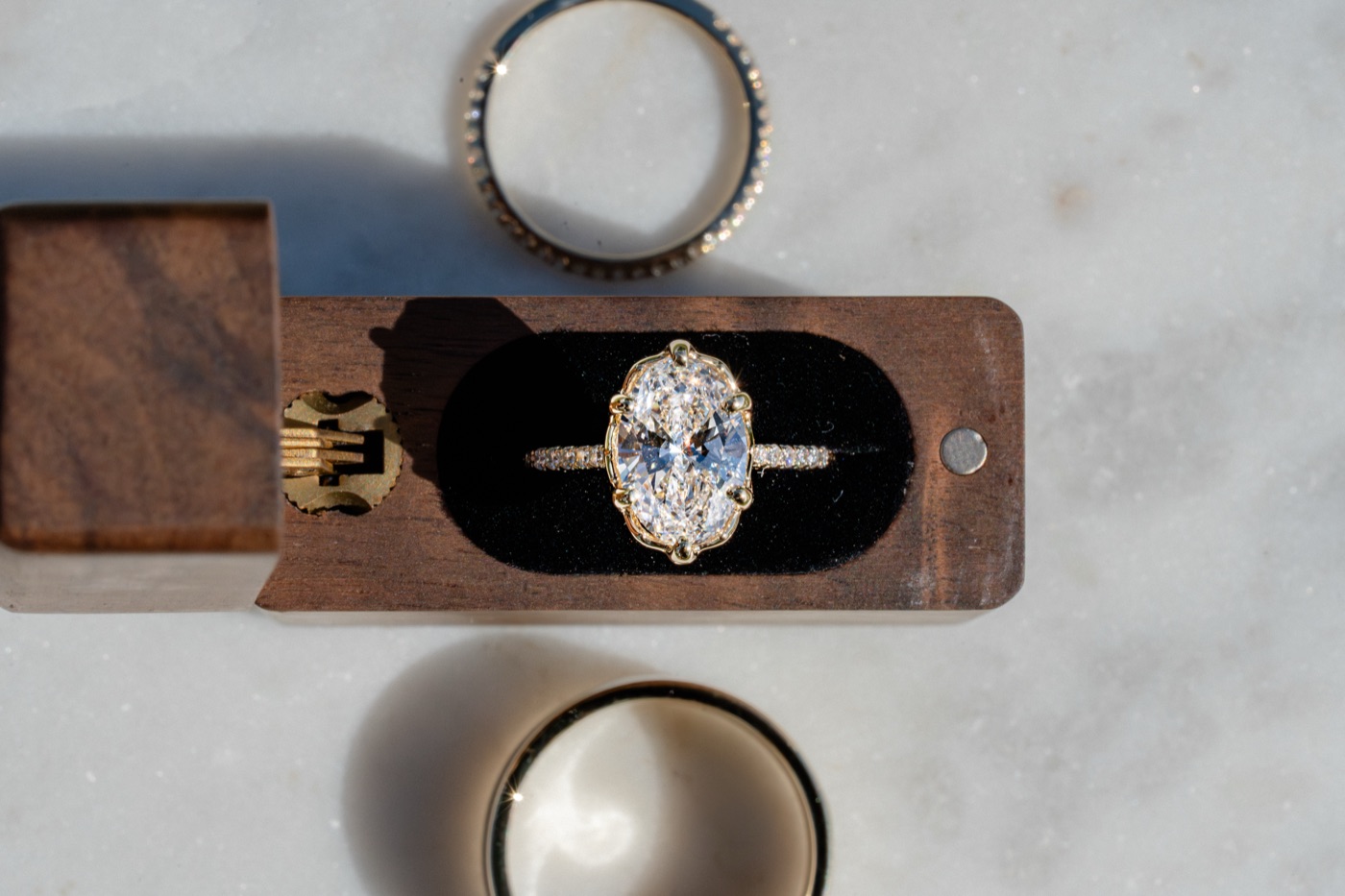
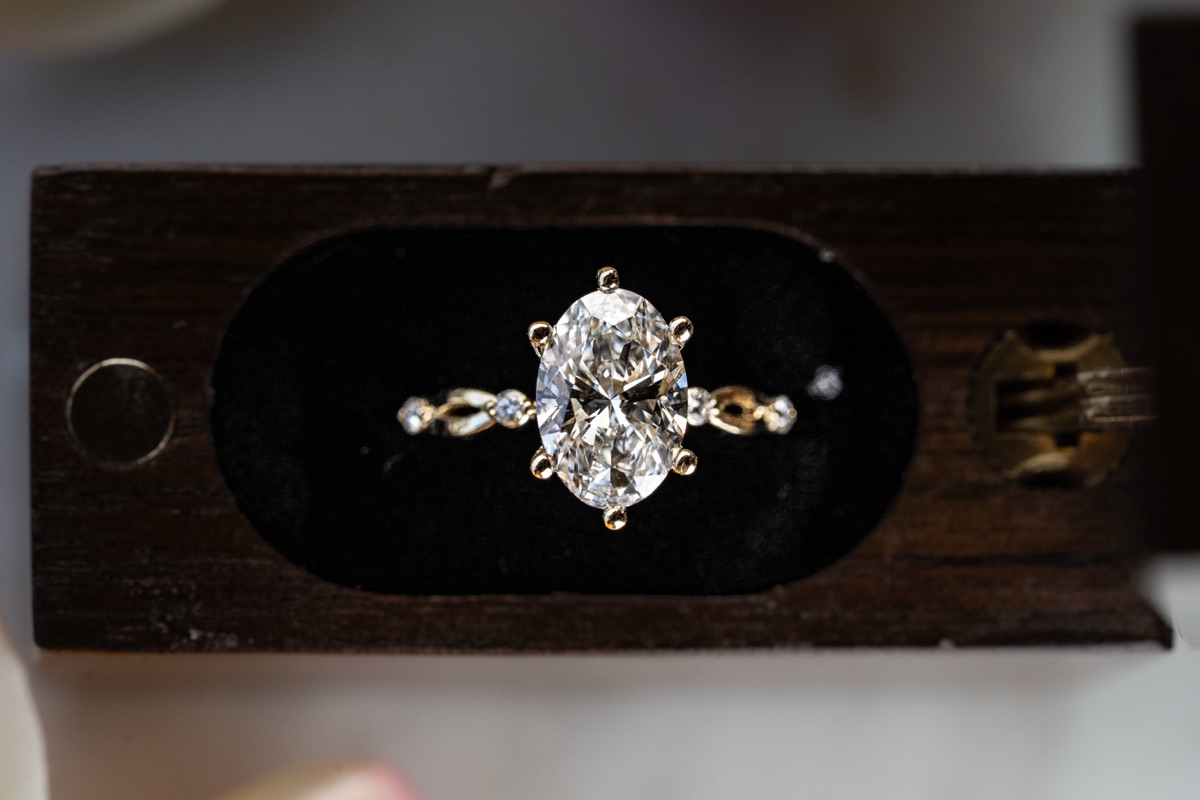
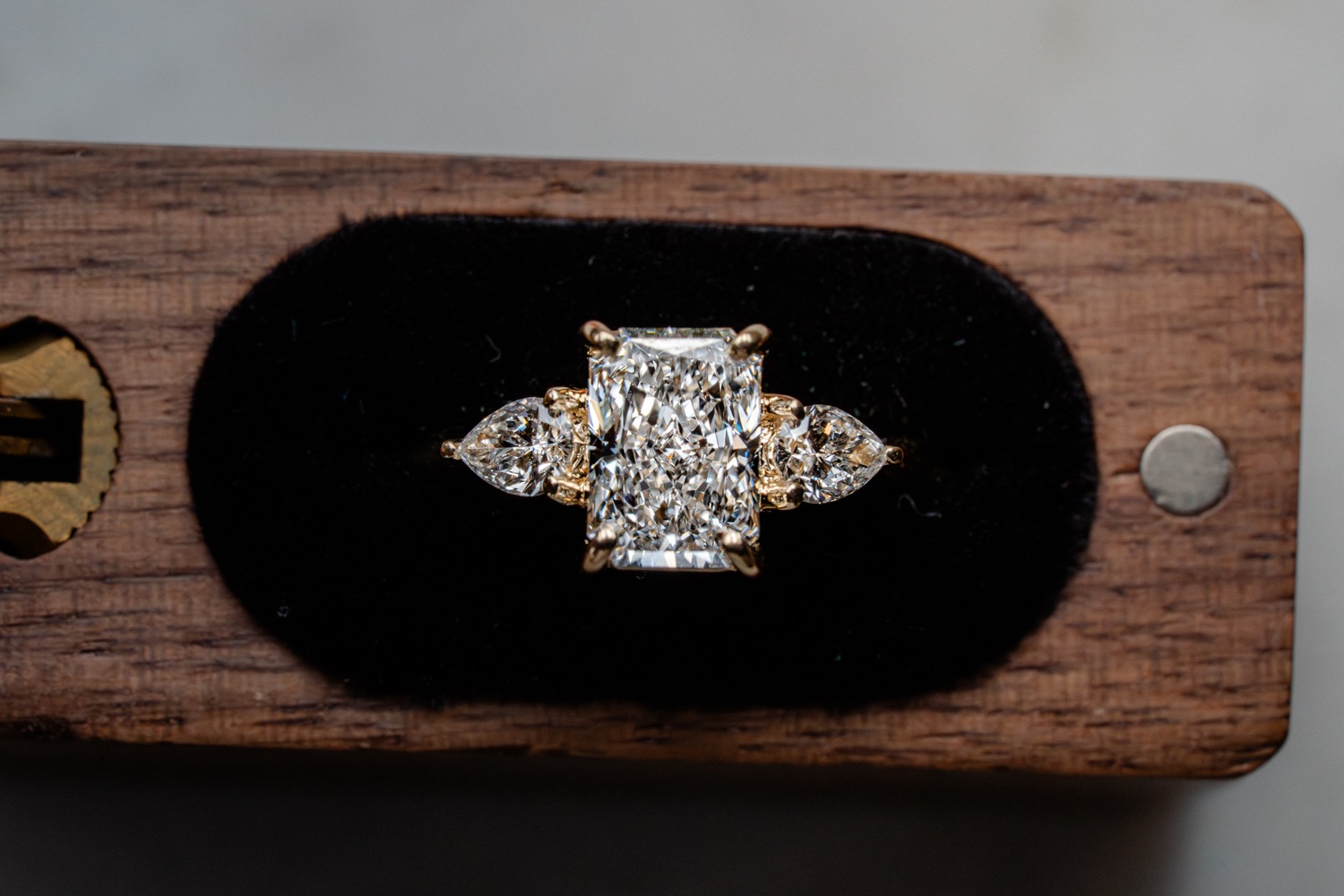
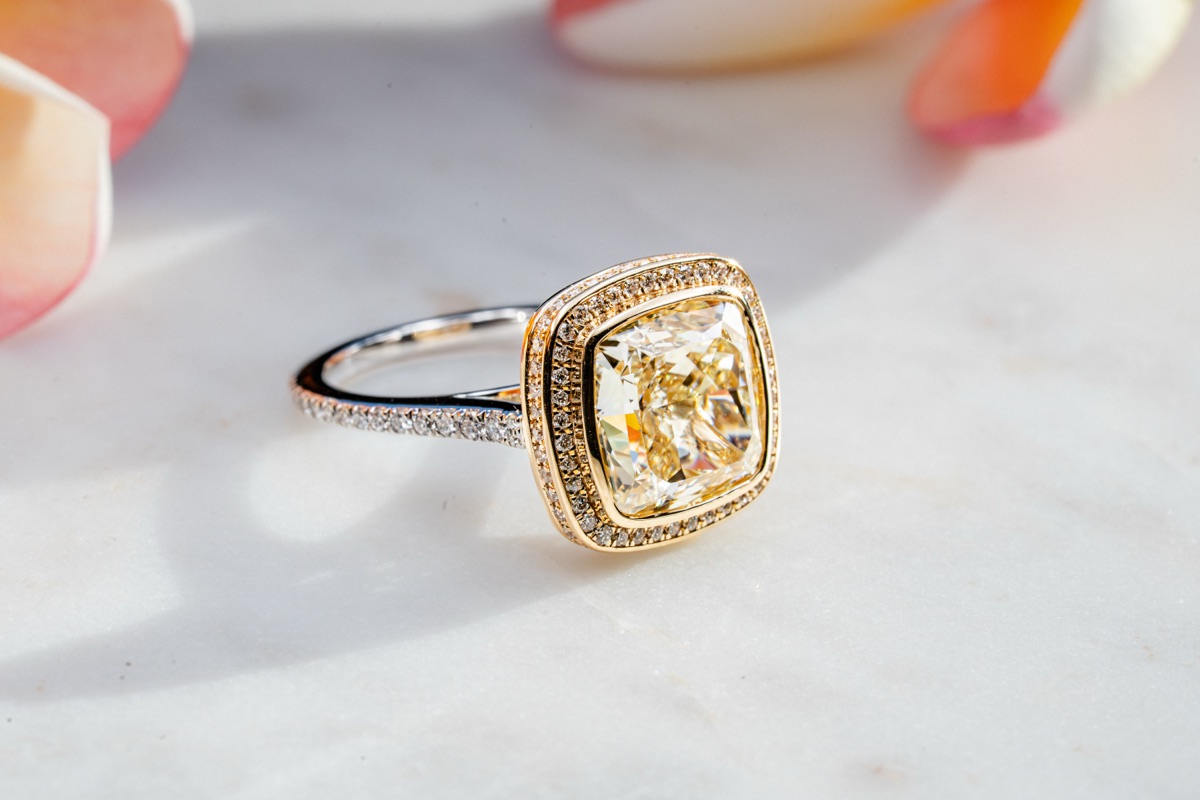
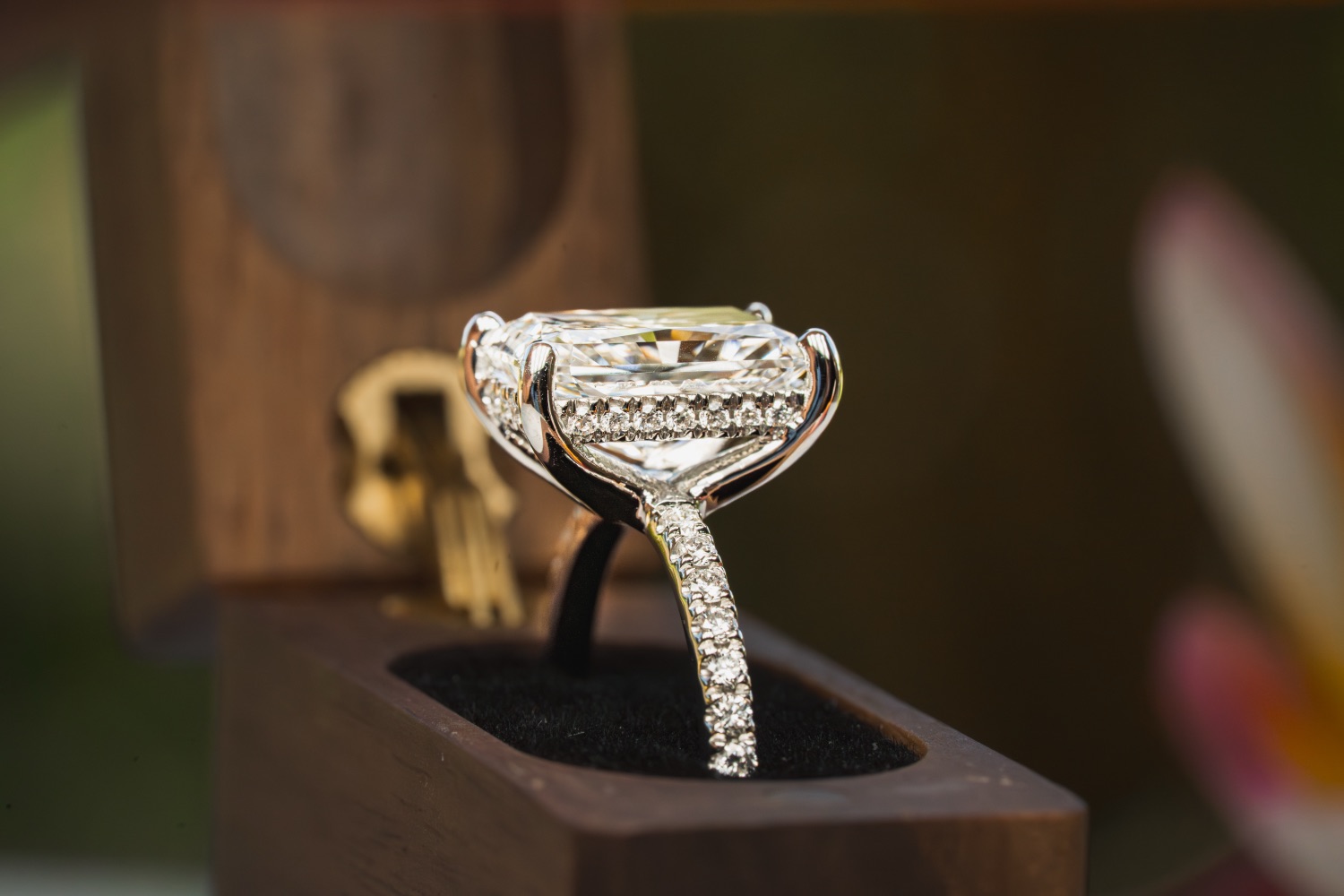
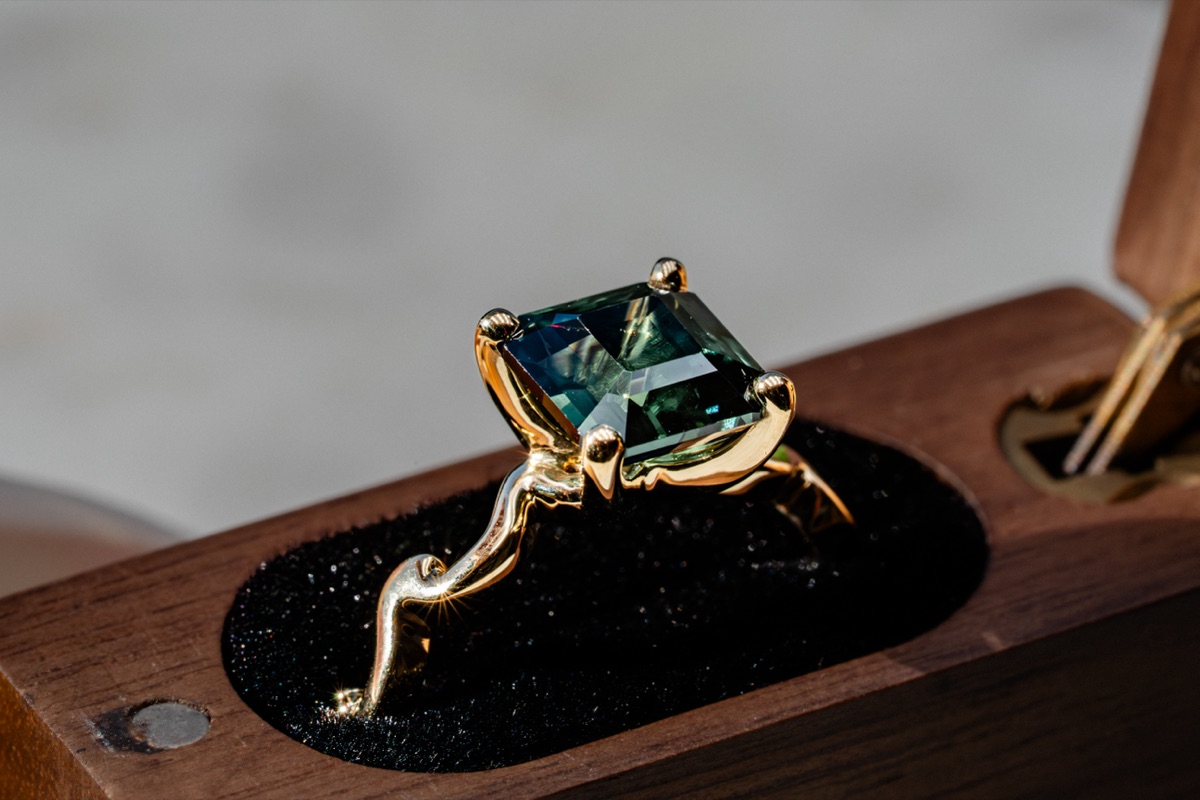
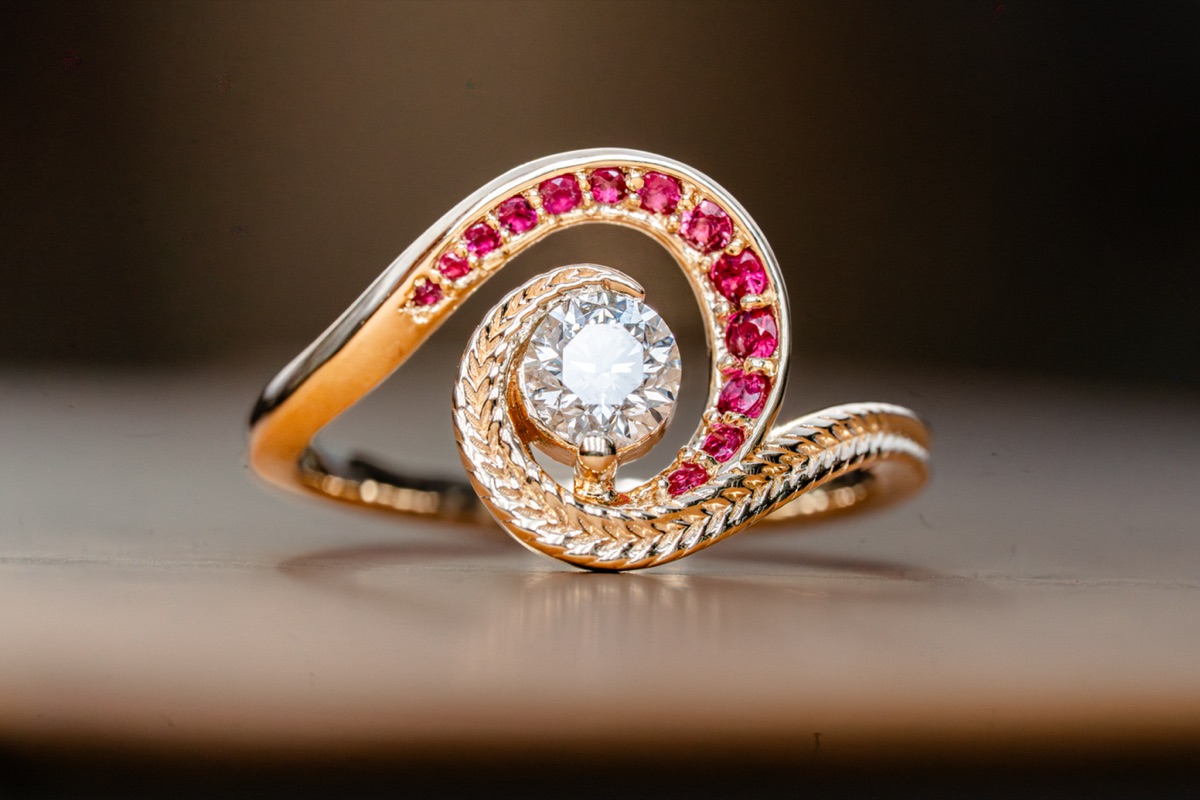
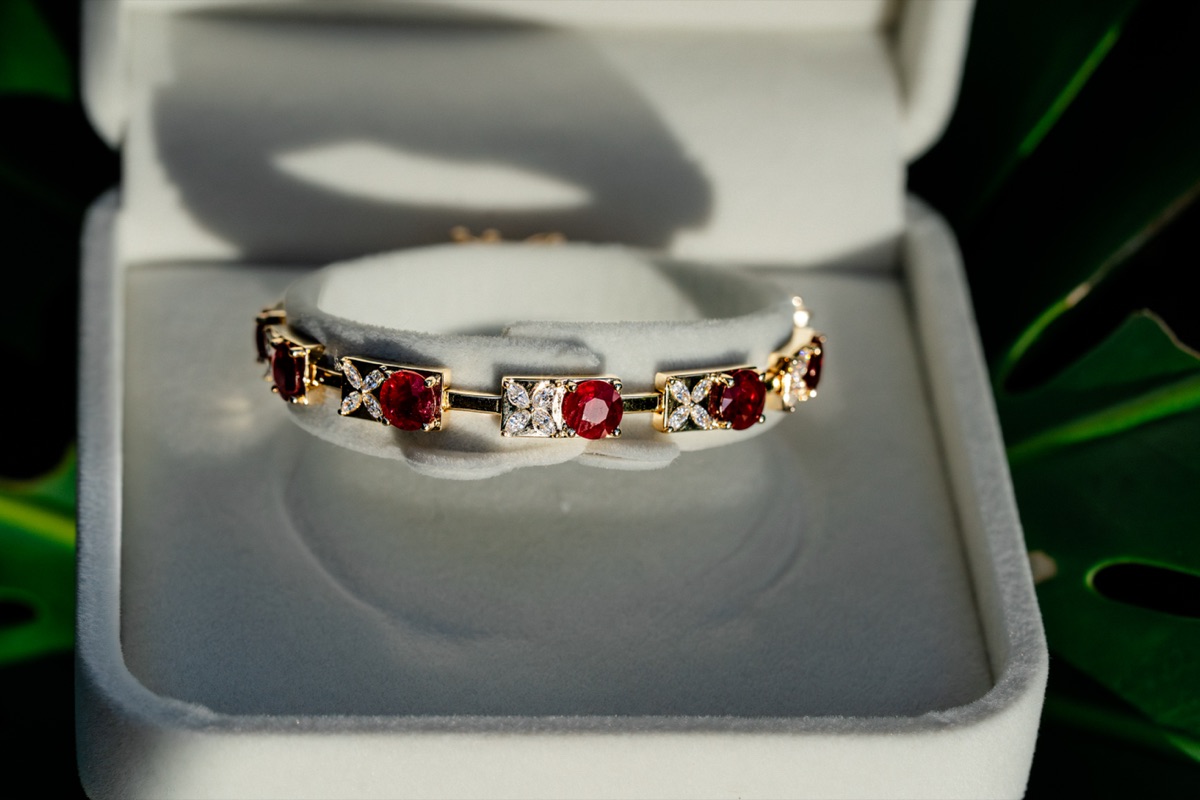
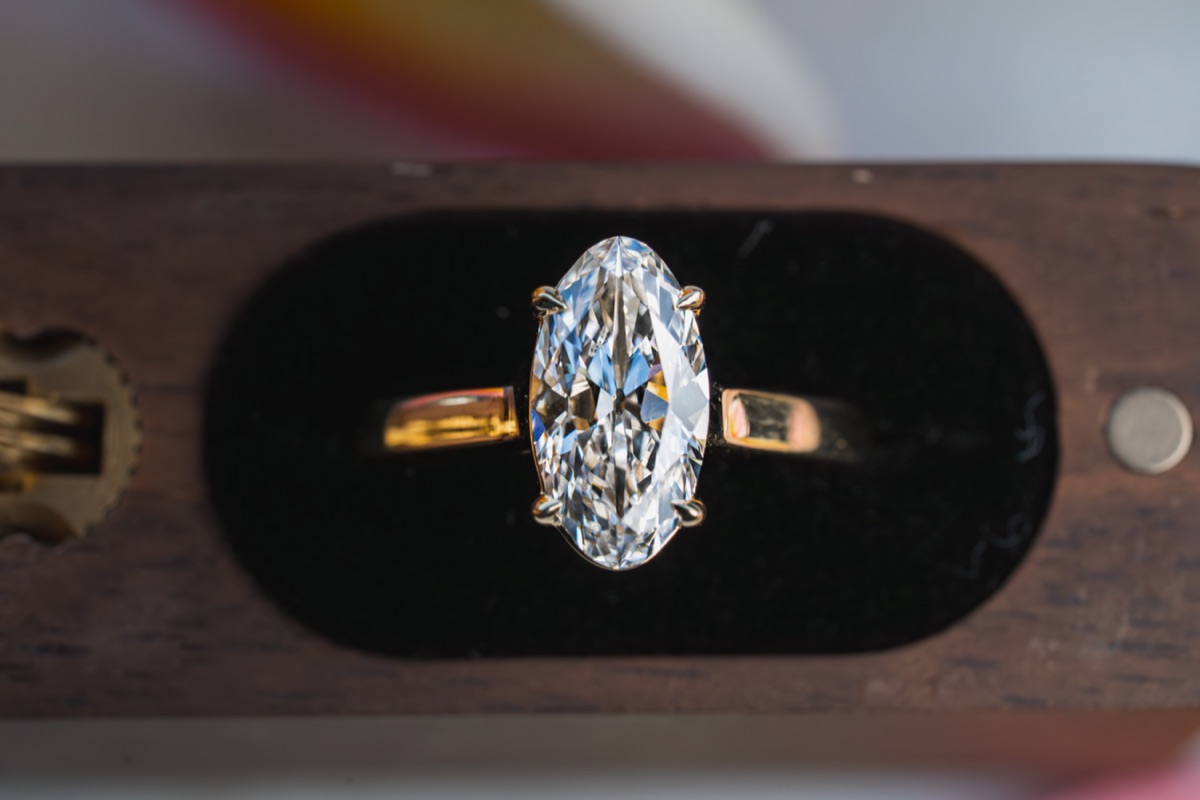
P.S. Every piece above is real work that sold because of this system, in a real independent jewelry store. None of it is stock photography.
Figures reported by the stores themselves.
Think of it as buying the system and getting the installation manual with it. We’ve already worked out the marketing — you’re doing the setup pieces, in a prescribed order, with a checklist and an activity tracker so nothing gets missed. Budget about five hours a week for four weeks and you’ll have it running inside thirty days. If you’d rather not, we can have a professional install it in your store instead — still a single one-time fee.
Yes. If you have a ring builder, or another way of bringing people in, this supports what you already have rather than replacing it. But honestly, you don’t need those things — this gets leads more cheaply and more predictably than anything else I’ve seen work in a jewelry store.
No. Keep them if they’re doing good work. Plenty of people should keep buying media from someone better at it than they are. Just don’t let your entire way of getting customers live inside somebody else’s accounts.
No required ad spend. The follow-up, the booking process, the no-show recovery and the reactivation all work on the people already finding you. Advertising is how you turn the volume up when you want more.
Half an hour on the phone with a jewelry marketing specialist. We go through your store and your numbers, show you what options you have, and explain what getting this set up would look like for a store your size — with no long-term contract attached to it.
It depends on what you already have and where your marketing is leaking. So the next step is a conversation about your store specifically.
Half an hour, by phone · A few questions first, so we don’t waste yours · We’ll tell you if it isn’t a fit